




Education: A Crisis for the Next Generation (SDG 4)
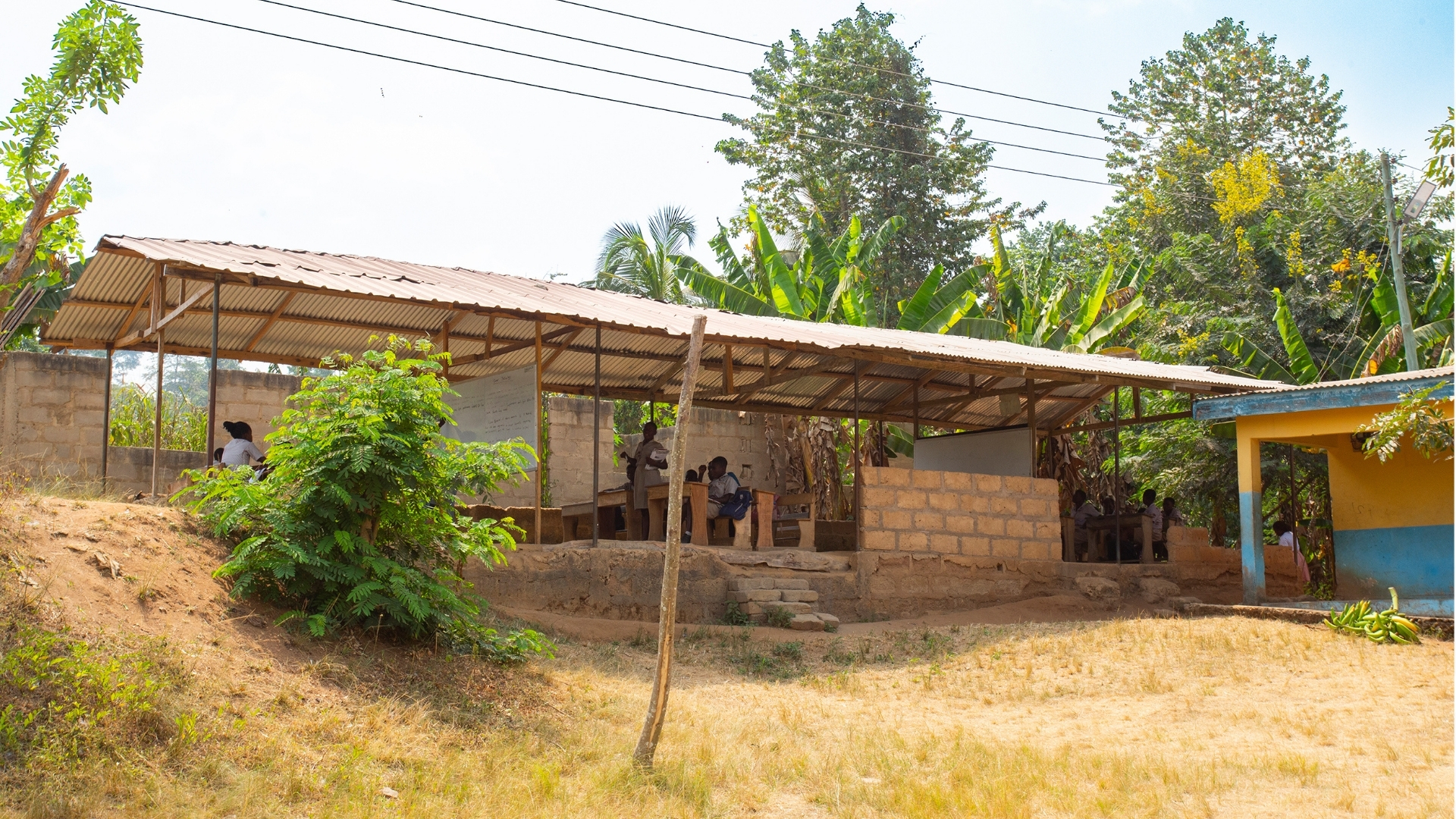
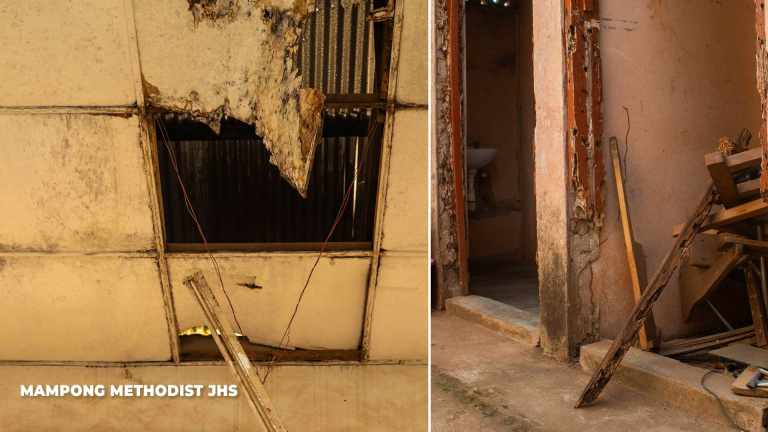
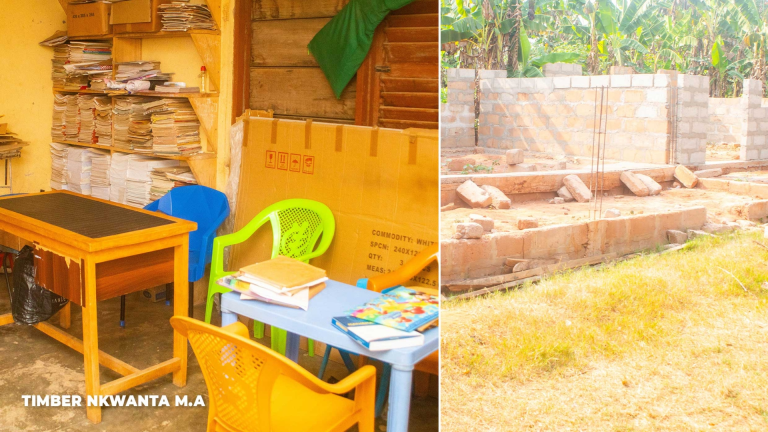
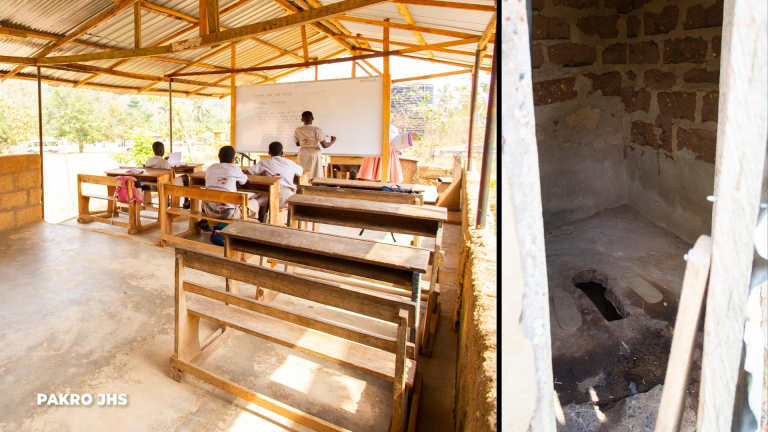
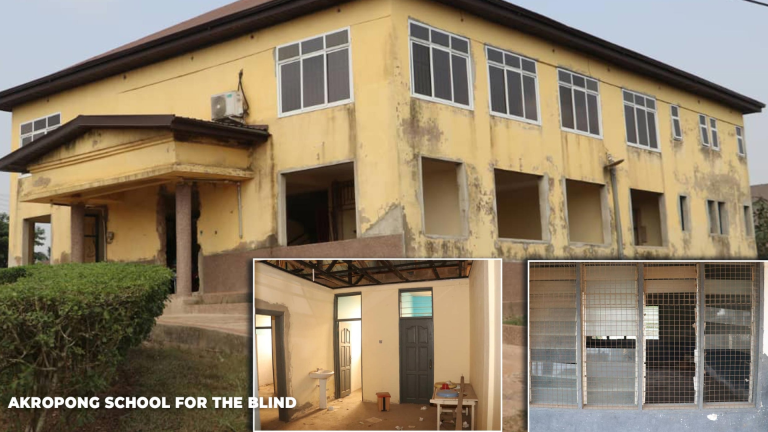
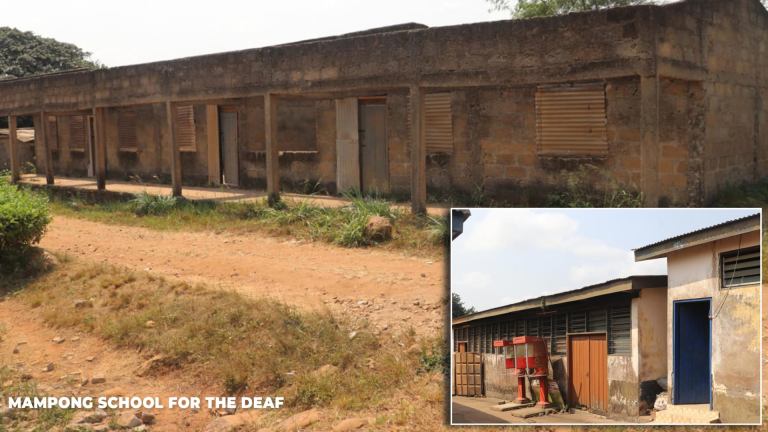
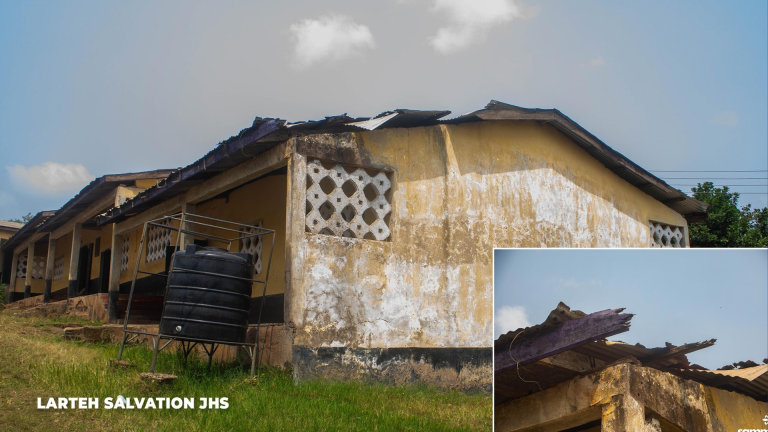
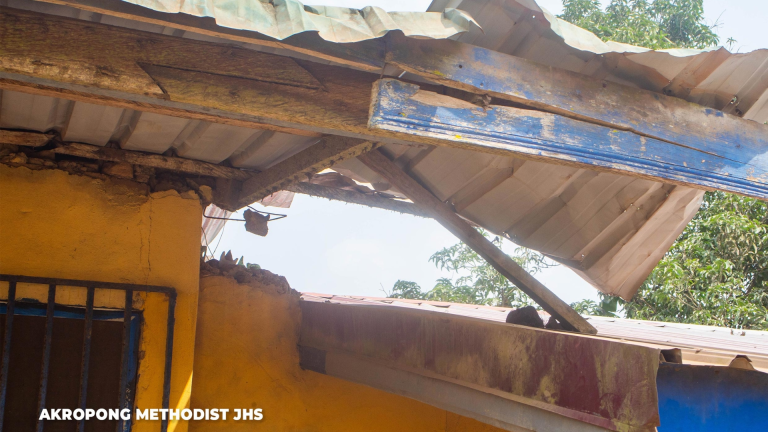
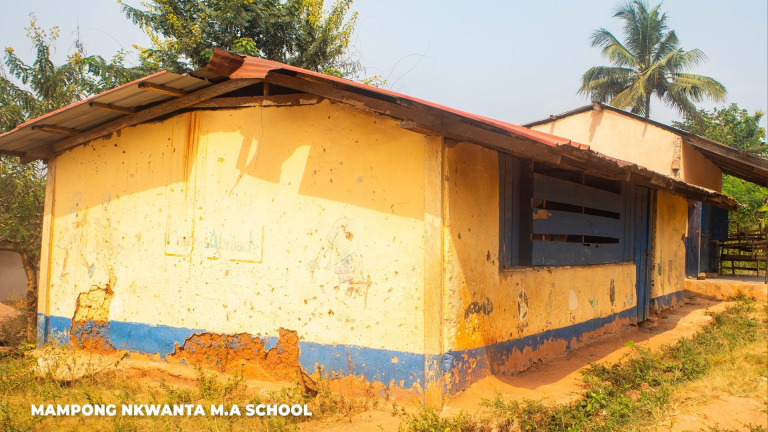
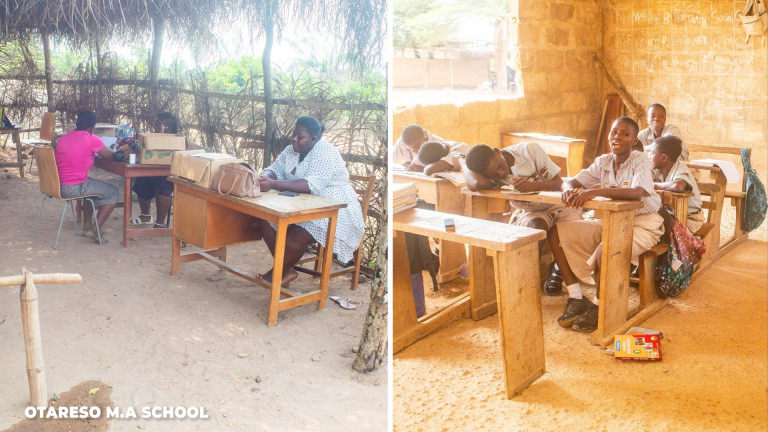
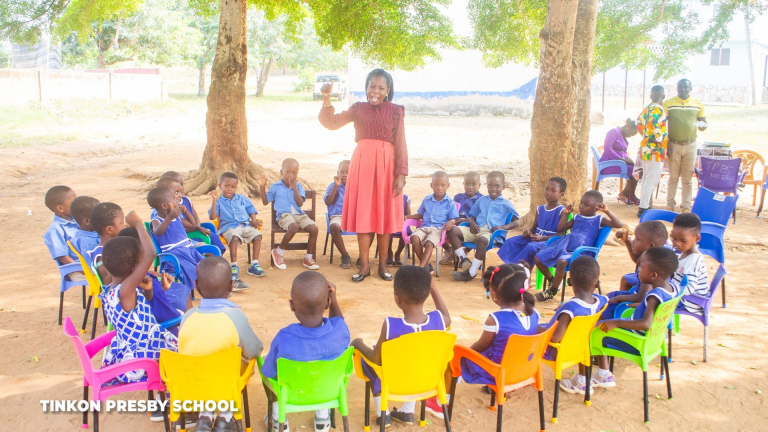
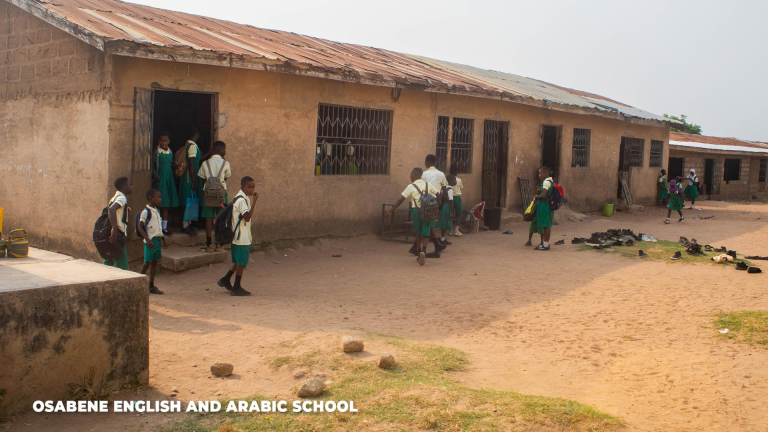
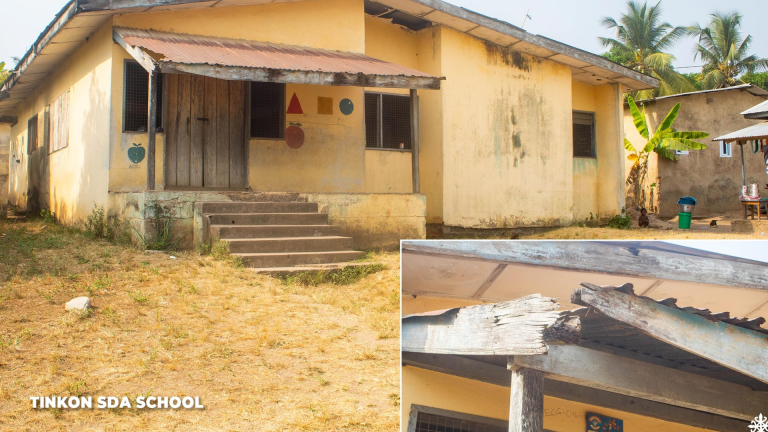
• Akuapem North is home to 2 of Ghana’s largest disability institutions, 10 senior high schools, and 87 district schools, yet suffers from inadequate resources and dilapidated infrastructure.
• Over 20,000 students, mostly from rural and underprivileged backgrounds, lack access to basic educational tools like textbooks, computers, and safe learning environments.
• Many classrooms are overcrowded, with student-to-teacher ratios as high as 70:1, making it difficult for students to receive individualized attention.
• Schools lack access to digital learning tools, leaving students unprepared for a rapidly evolving global economy that requires technological skills.
Agriculture: A Backbone in Peril (SDG 2)
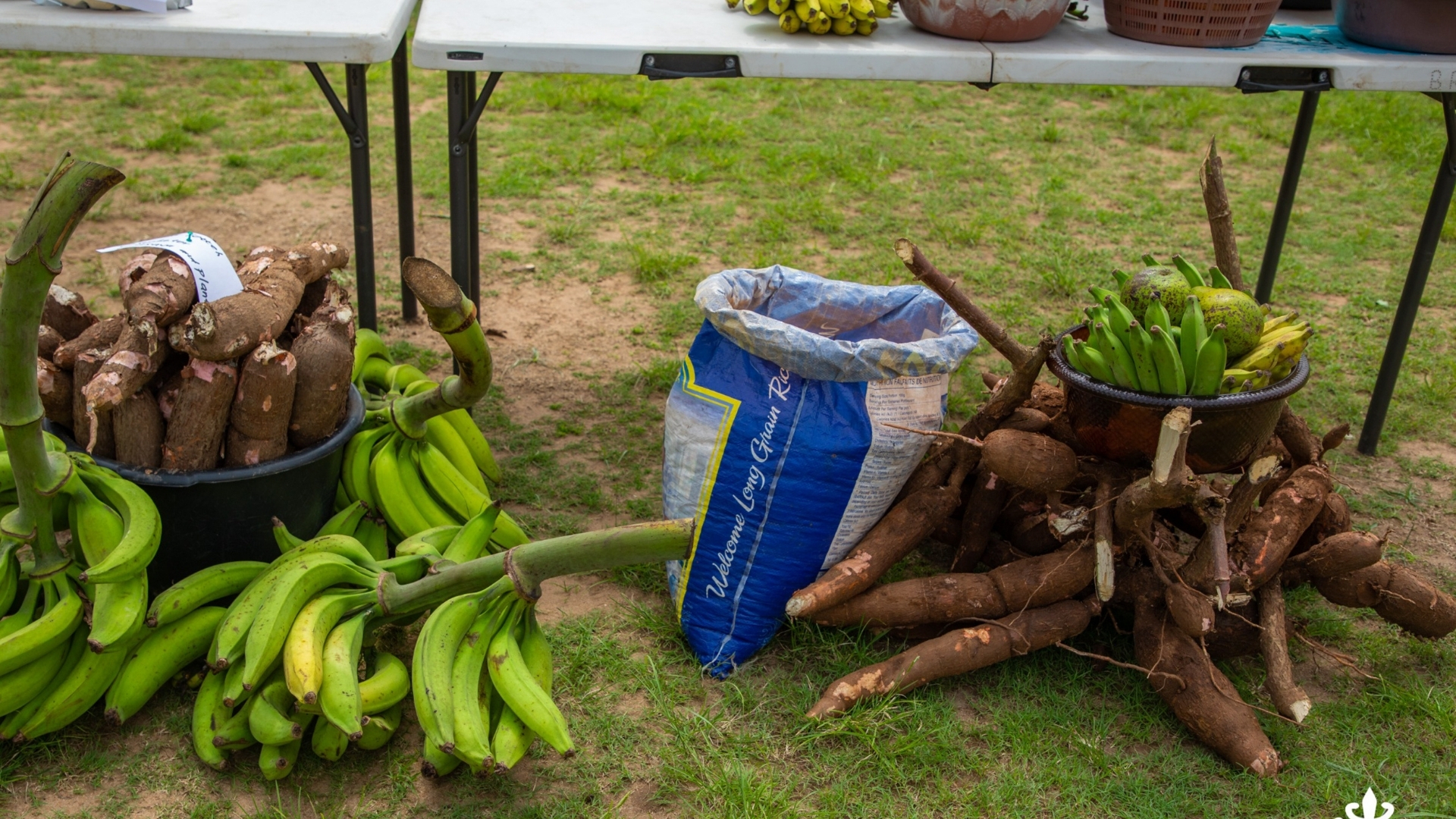
• Agriculture, the lifeline of Akuapem North, is crippled by outdated practices, unpredictable weather, and lack of modern tools.
• In 2024 alone, farmers experienced a 10% drop in yields, directly affecting food security and economic stability.
• Youth disengagement in farming—due to perceptions of low returns and the labor-intensive nature of traditional agriculture—threatens the sector’s future.
• Farmers lack access to high-yield seeds, fertilizers, and irrigation systems, further limiting productivity.
Health and Sanitation: A Pressing Humanitarian Need (SDG 3 & 6)
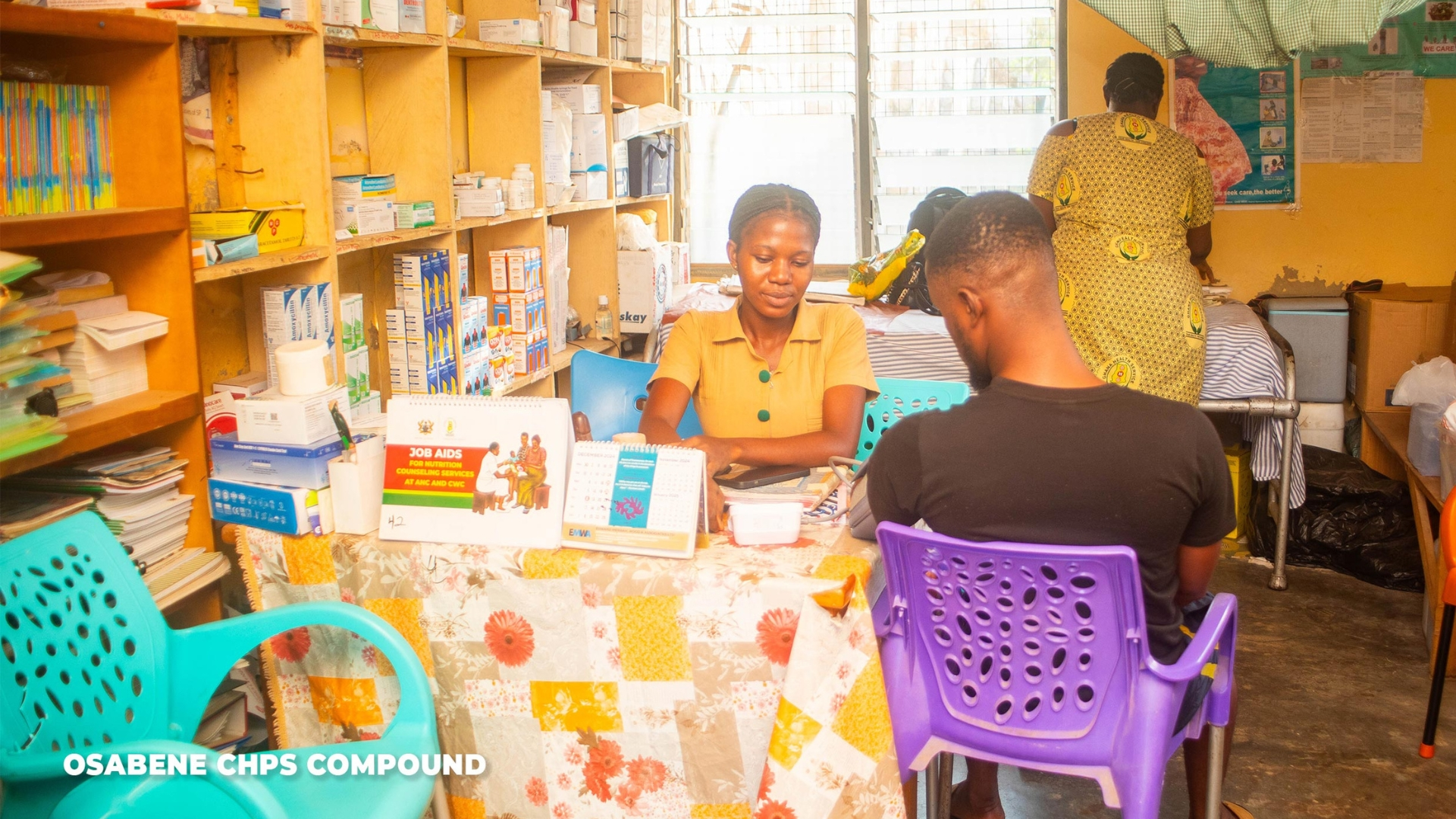
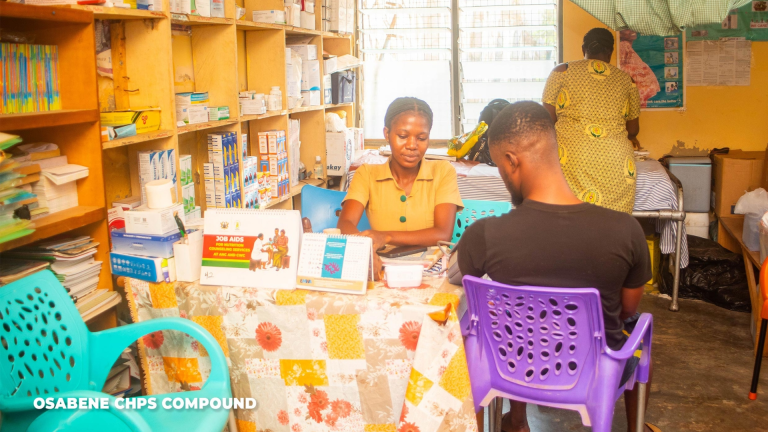
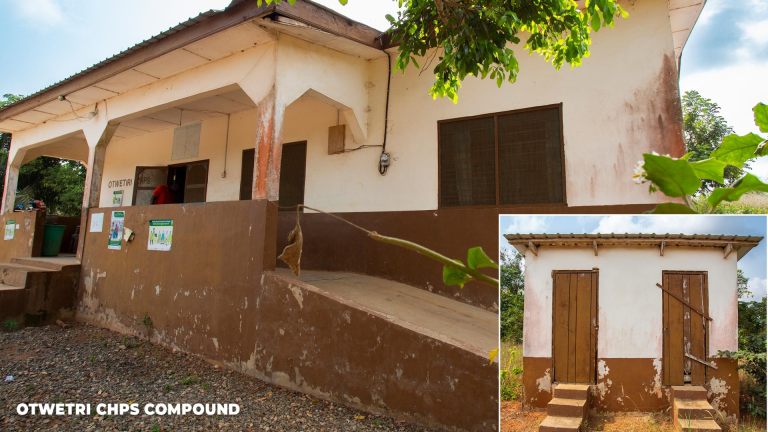
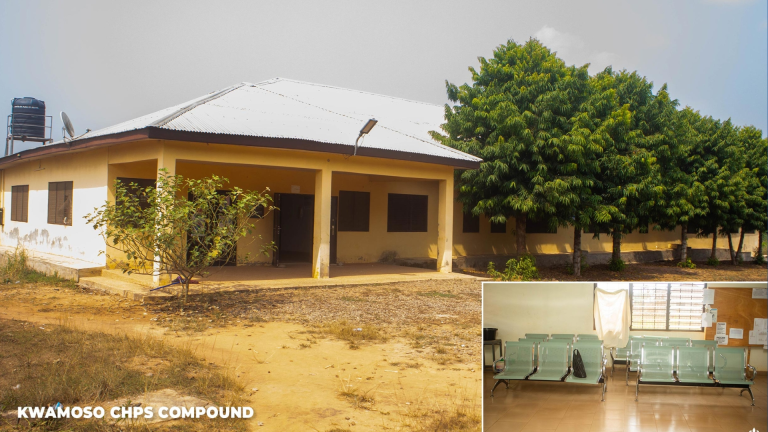
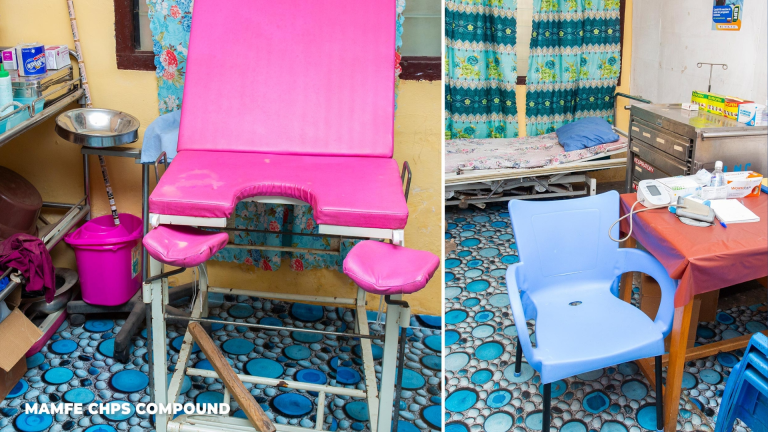
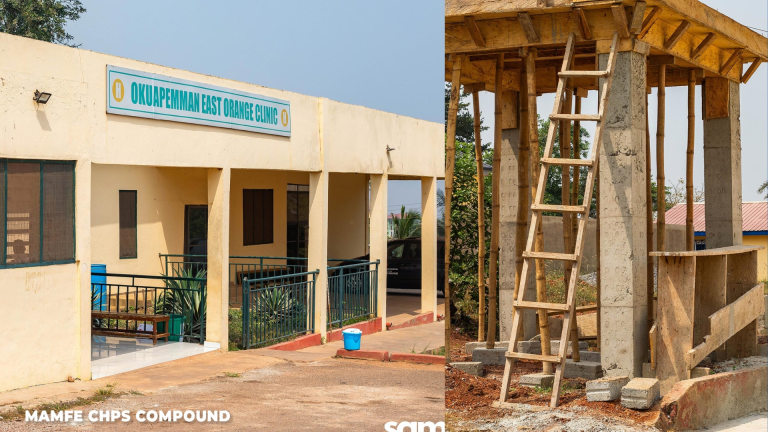
• Inadequate Healthcare Access: Many communities in Akuapem North have limited or no access to healthcare facilities. Residents often travel long distances to receive basic medical care, which delays treatment for preventable and treatable conditions.
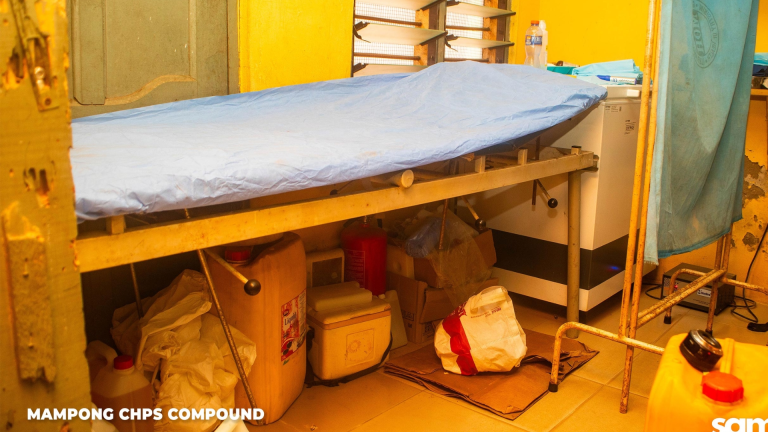
• Insufficient Health Personnel and Supplies: Poor infrastructure discourages healthcare professionals from serving in the area. This results in staff shortages, insufficient medical supplies, and overburdened facilities.
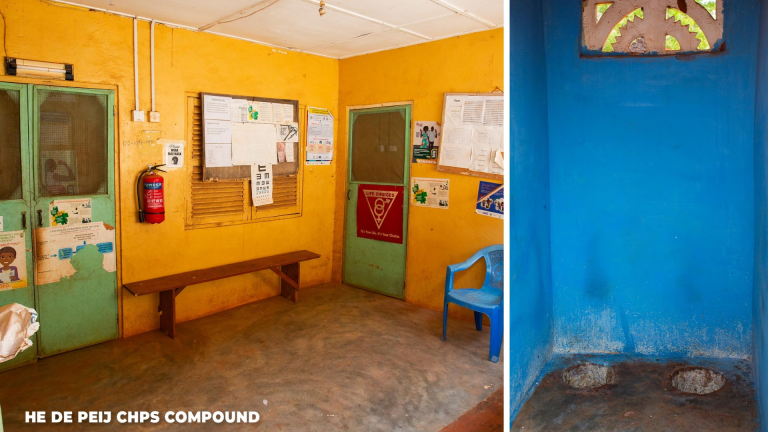
• Poor Sanitation Facilities: Schools and communities lack adequate toilets and hygiene facilities, leading to outbreaks of diseases such as cholera and typhoid. Girls, in particular, are disproportionately affected as inadequate sanitation contributes to school absenteeism.
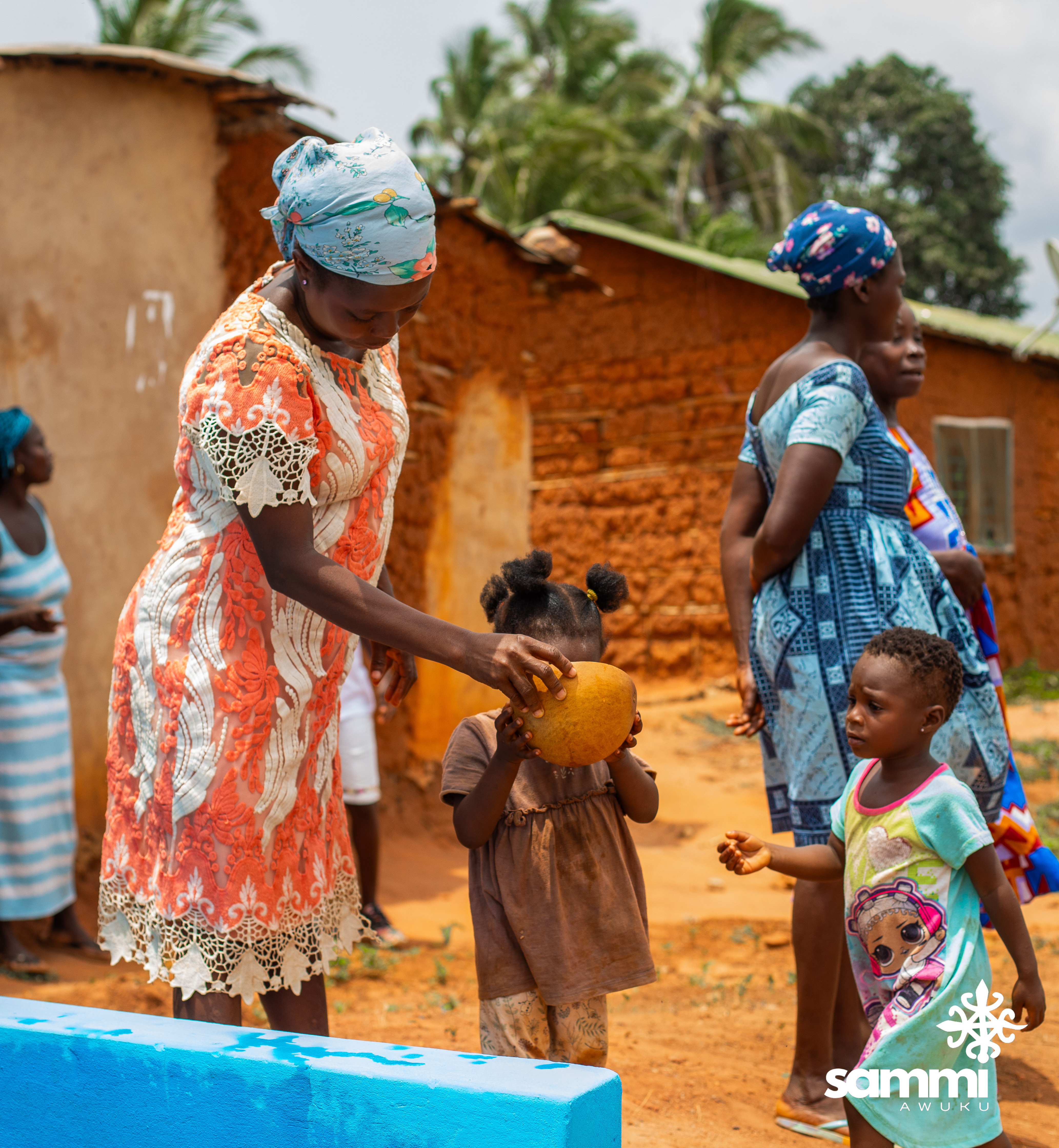
• Limited Access to Clean Water: In several areas, residents rely on unsafe water sources, exacerbating the health risks and causing recurring health crises.
Failing to act now will worsen the health crisis, further marginalizing already vulnerable populations.

Be a Volunteer on our next project